Background
People with Down Syndrome are thought to have a lower life expectancy and different cause of death profile compared to the general population. A systematic review was undertaken to evaluate this evidence.
People with Down Syndrome are thought to have a lower life expectancy and different cause of death profile compared to the general population. A systematic review was undertaken to evaluate this evidence.
The review was registered with the International Prospective Register of Systematic Reviews. Five electronic databases were searched for key words relating to Intellectual disability/Down Syndrome AND death. Titles, abstracts and full papers were assessed using strict inclusion/exclusion criteria. 5% were assessed by a second researcher. Information from the eligible studies was extracted, tabulated and reviewed using narrative analysis.
37 /19,111 potentially relevant articles met the inclusion criteria. Down Syndrome life expectancy was up to 28 years lower than the general population. Life expectancy increased at a faster rate over time in the Down Syndrome population, compared to the general population. Infant mortality was significantly higher in the Down Syndrome population. Low birth weight, congenital heart defect, black and minority ethnicity, and comorbidities were associated with lower life expectancy and higher mortality rates. Respiratory illness and congenital heart anomalies were the leading causes of death in most studies, and more common than in the general population. Most studies were limited by relying on administration data, and death certificates (known to have potential inaccuracies), and not undertaking age gender matched general population comparisons
People with Down Syndrome have a shorter life expectancy, and a different cause of death profile than the general population, but robust comparative data is surprisingly lacking. Further research is required to better understand and support the development of solutions to address this stark inequality.
Project information last updated July 2020.
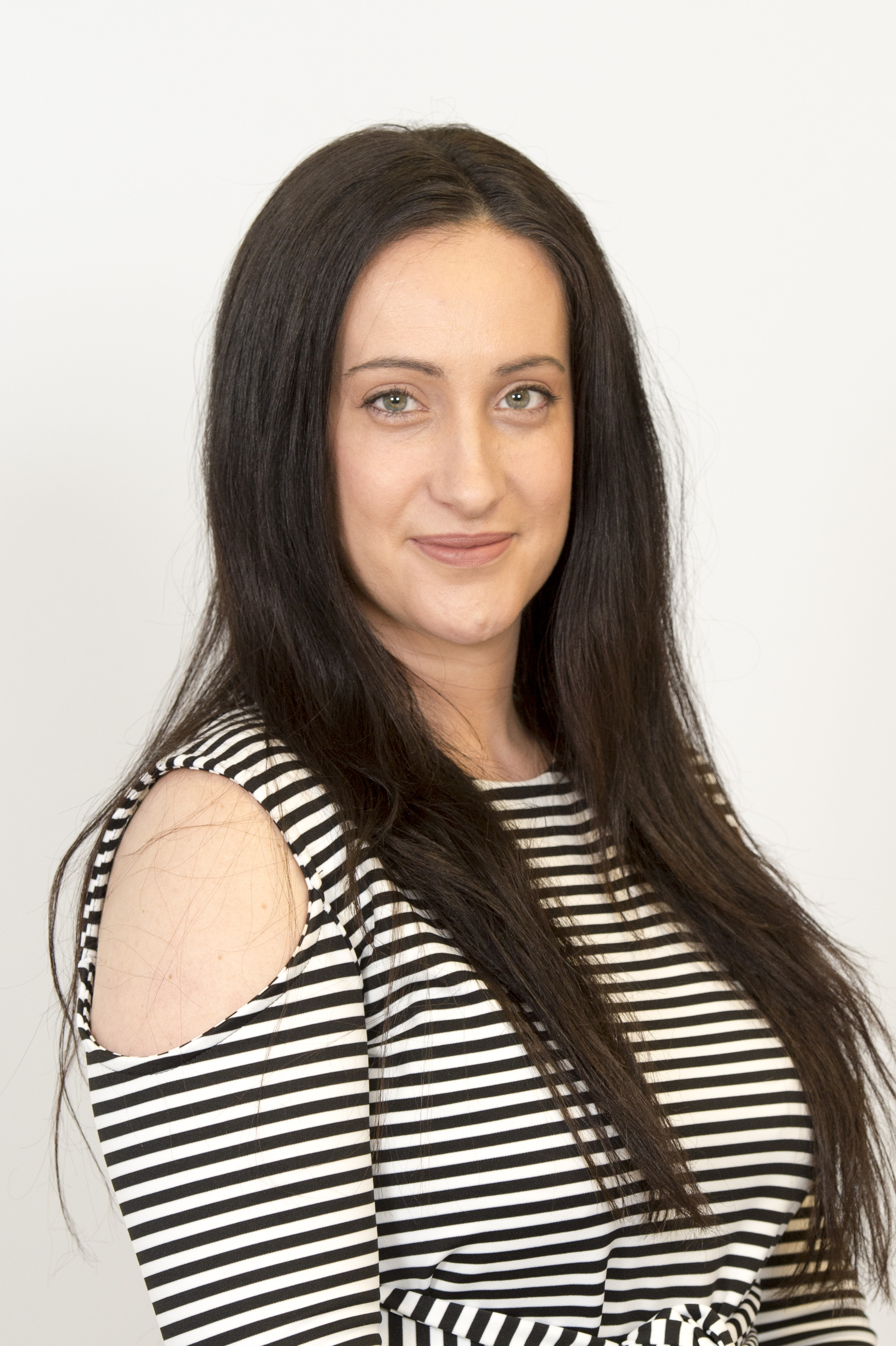
Laura is a Lecturer in Clinical Psychology at the University of Glasgow, and an affiliate of the Scottish Learning Disabilities Observatory, having joined the team in 2015. With the Observatory, Laura was involved in projects looking at the health of people with learning disabilities in a number of large data-sets, including primary health care records, Scotland's 2011 Census and health records of people born with Down Syndrome in Scotland over a 25 year period. Laura studied Psychology and has extensive experience of working with people with learning disabilities in her previous roles, for example, as a Befriender, a Learning Assistant and an Assistant Psychologist. Read more about Laura at the link below
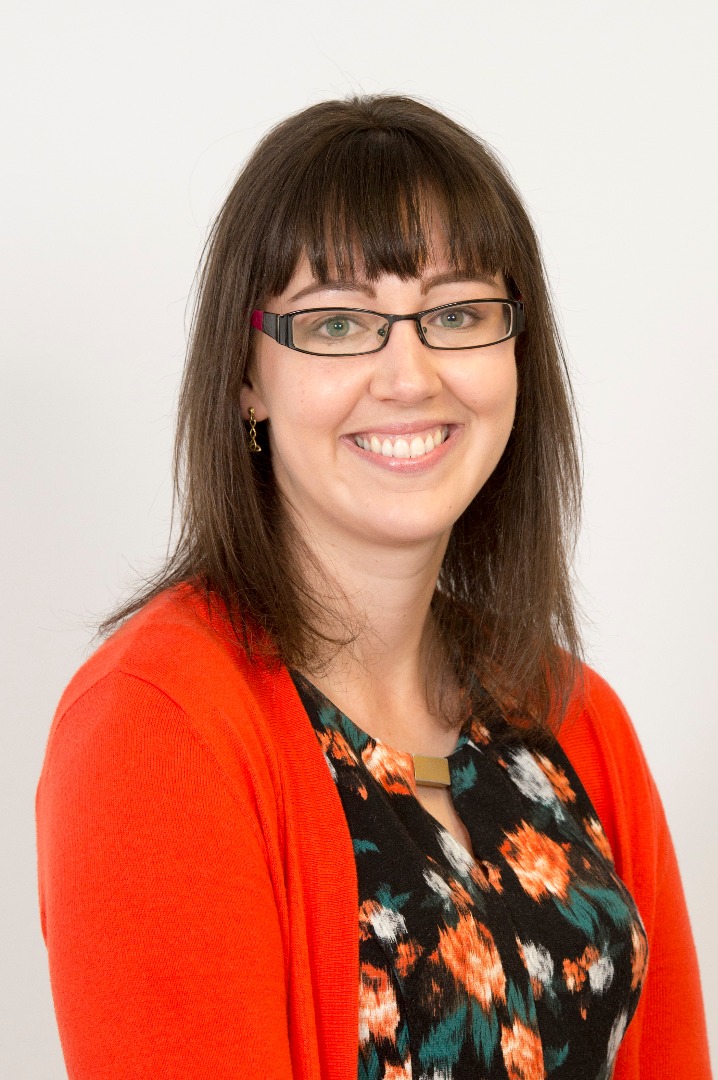
Kirsty is a Lecturer in Clinical Psychology at the University of Glasgow, and is an affiliate of the Scottish Learning Disabilities Observatory, having joined the team in 2015. She is interested in the health and wellbeing of individuals with learning disabilities and their families. Previously, Kirsty has worked on projects examining patterns of hospital admissions, prevalence of physical and mental health conditions, and the impact of caring for a son/daughter with learning disabilities on fathers. Her current research projects are exploring: The impact of bullying on young people's mental health Common mental health conditions experienced by children and young people Patterns of long-term health conditions and prescribing in adults

The Scottish Learning Disabilities Observatory is based in the School of Health and Wellbeing at Glasgow University; Professor Jill Pell was formerly Director of the School. She is an expert in Public Health. Jill also has another role as Honorary Consultant in Public Health in NHS Greater Glasgow and Clyde. Jill’s main research interests are in: Long term conditions like diabetes Maternal and child health Obesity Smoking A lot of her research draws on different administrative data and uses data linkage methods to help answer important public health questions. For example, Jill is leading research which will help to understand the different things associated with additional educational support needs.
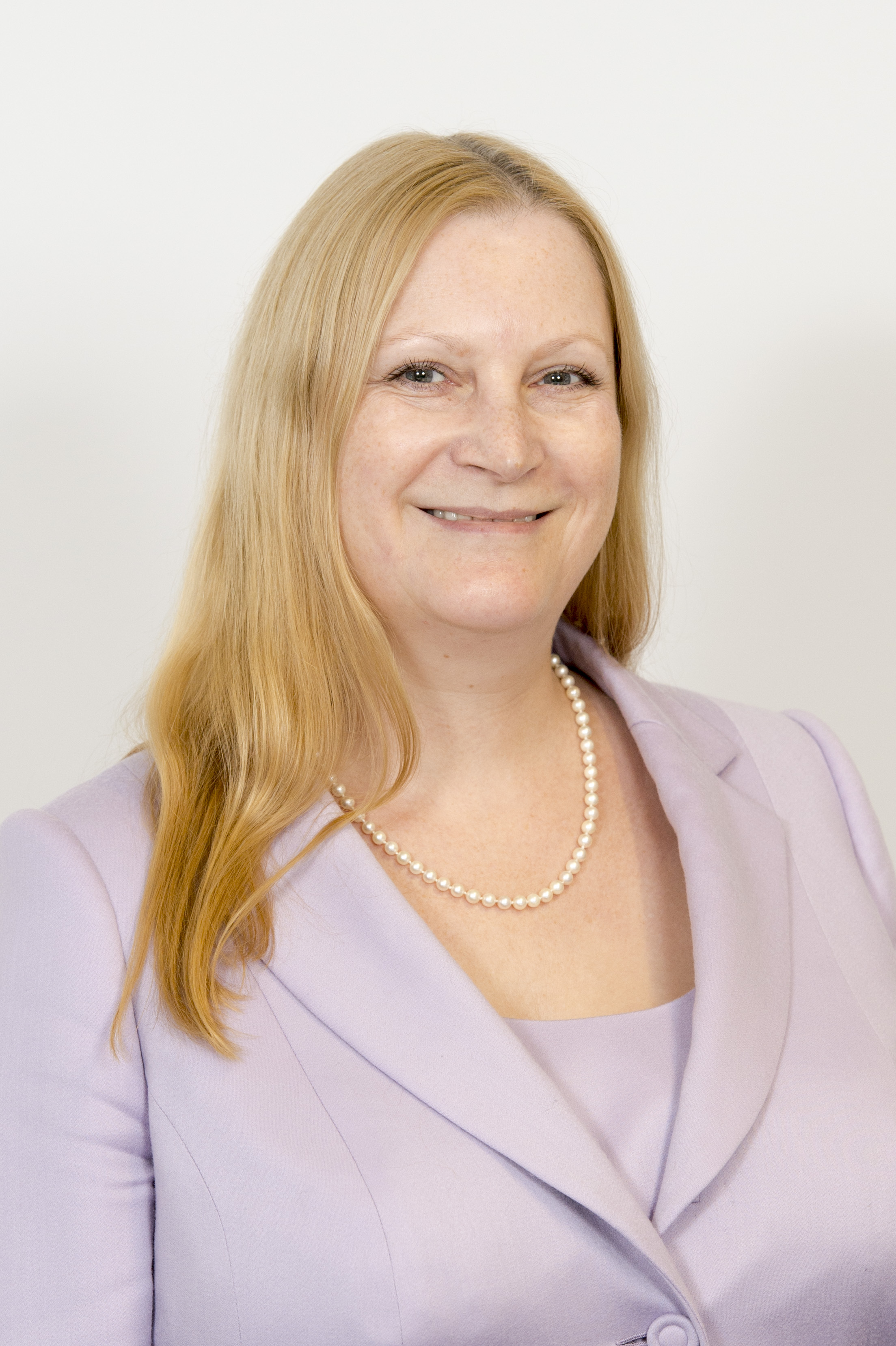
Anna set up the Scottish Learning Disabilities Observatory with funding from the Scottish Government. She wants the Observatory to make Scotland fairer and healthier for people with learning disabilities and their families, by: Finding out the health problems people have Finding out how good or bad health care is Telling people about health and health care problems Finding ways to make health and health care better Checking if health gets better or worse over time Helping the Scottish Government, and staff who provide health and social services, to get it right for people with learning disabilities Anna is a doctor. She has done a lot of studies on the health of people with learning disabilities. Anna’s full name is Professor Sally-Ann Cooper.
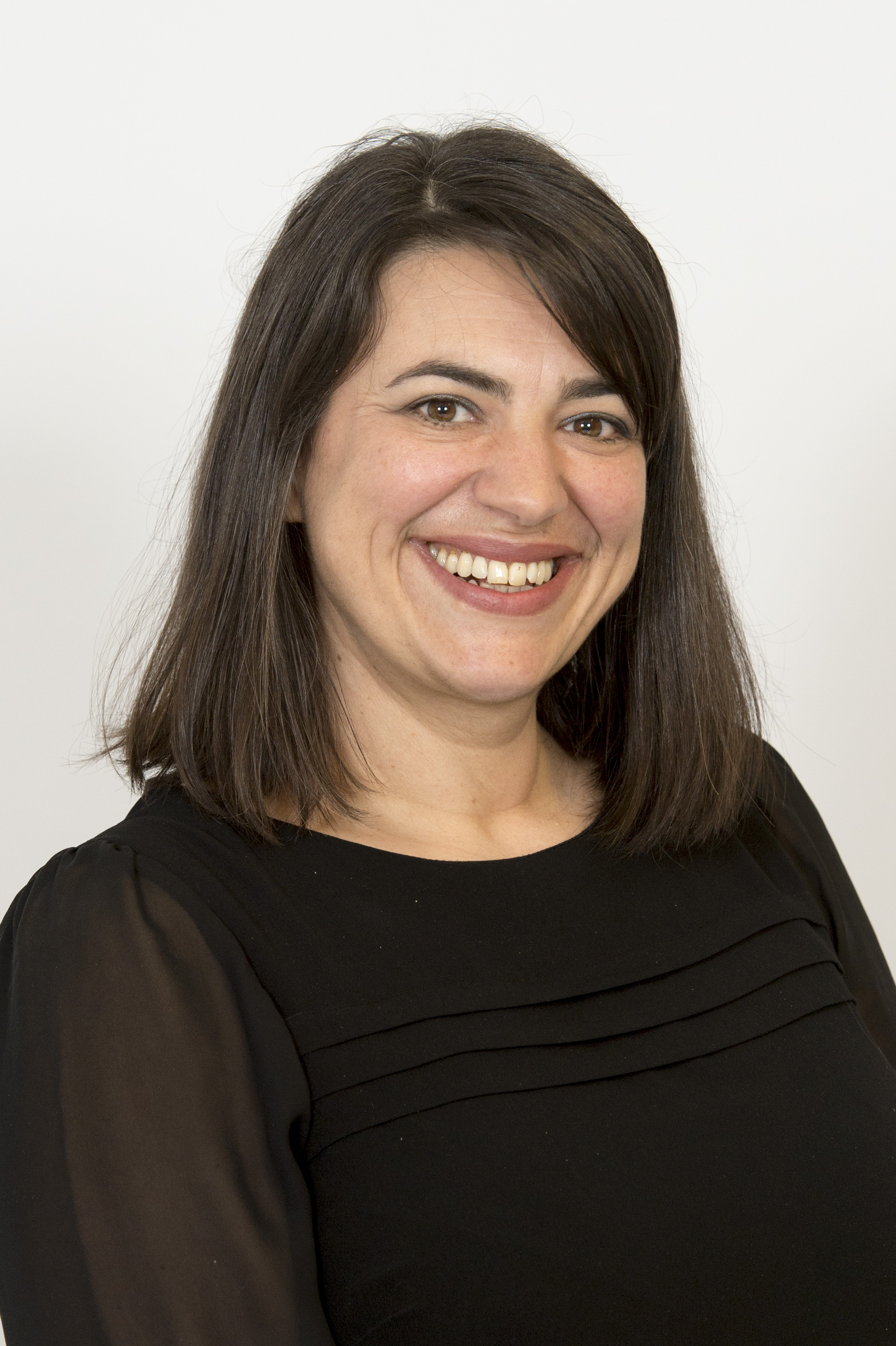
Angela was formerly the Director for Policy and Impact for the Scottish Learning Disabilities Observatory and remains an affiliate team member, having moved in 2024 to work with the Scottish Government leading the development of annual health checks and learning disabilities data. Angela is interested in how evidence is used in policy making and was involved in many projects at the Observatory. These included: Understanding the impact of Covid-19 on people with learning disabilities The Research Voices Project Helping to set up the SPIRE learning disabilities data project Analysing information about drug prescribing for people with learning disabilities
