Background
People with autism may be more likely to experience poorer physical health than other people. We aimed to identify what is and what is not known about physical health conditions experienced by people with autism.
People with autism may be more likely to experience poorer physical health than other people. We aimed to identify what is and what is not known about physical health conditions experienced by people with autism.
We conducted an umbrella systematic review of systematic reviews and meta-analyses on physical conditions in people with autism. Five databases were searched for prospective articles. We used strict inclusion/exclusion criteria for paper selection. Two authors reviewed all papers for eligibility and assessed quality of included articles.
24/5,552 retrieved articles were included, 15 on children, 1 on adults, 8 on children and adults. Whilst the quality of included reviews was good, most reported several limitations and considerable differences between studies they included. We also found that physical conditions are common in people with autism, and some are more prevalent than in the general population, i.e. sleep problems, epilepsy, sensory impairments, atopy (allergic diseases), autoimmune disorders, and obesity. Asthma is not. However, there are substantial gaps in the evidence base. Fewer studies have been undertaken on other conditions, and some findings are inconsistent.
Physical conditions occur more commonly in people with autism, but the evidence base is slim, and more research is needed. Some conditions can add complexity to care if clinicians are unaware, e.g. sensory impairments, given the communication needs of people with autism. Other conditions, for example obesity, can lead to an array of other conditions, disadvantages and premature death. It is essential that potentially modifiable physical conditions are identified to ensure people with autism achieve their best outcomes. Increasing clinicians’ awareness about this is important to aid in assessments and differential diagnoses, and to improve healthcare.
Project information last updated on 6th July 2021.
Project lead: Ewelina Rydzewska
Team: Kirsty Dunn, Sally-Ann Cooper
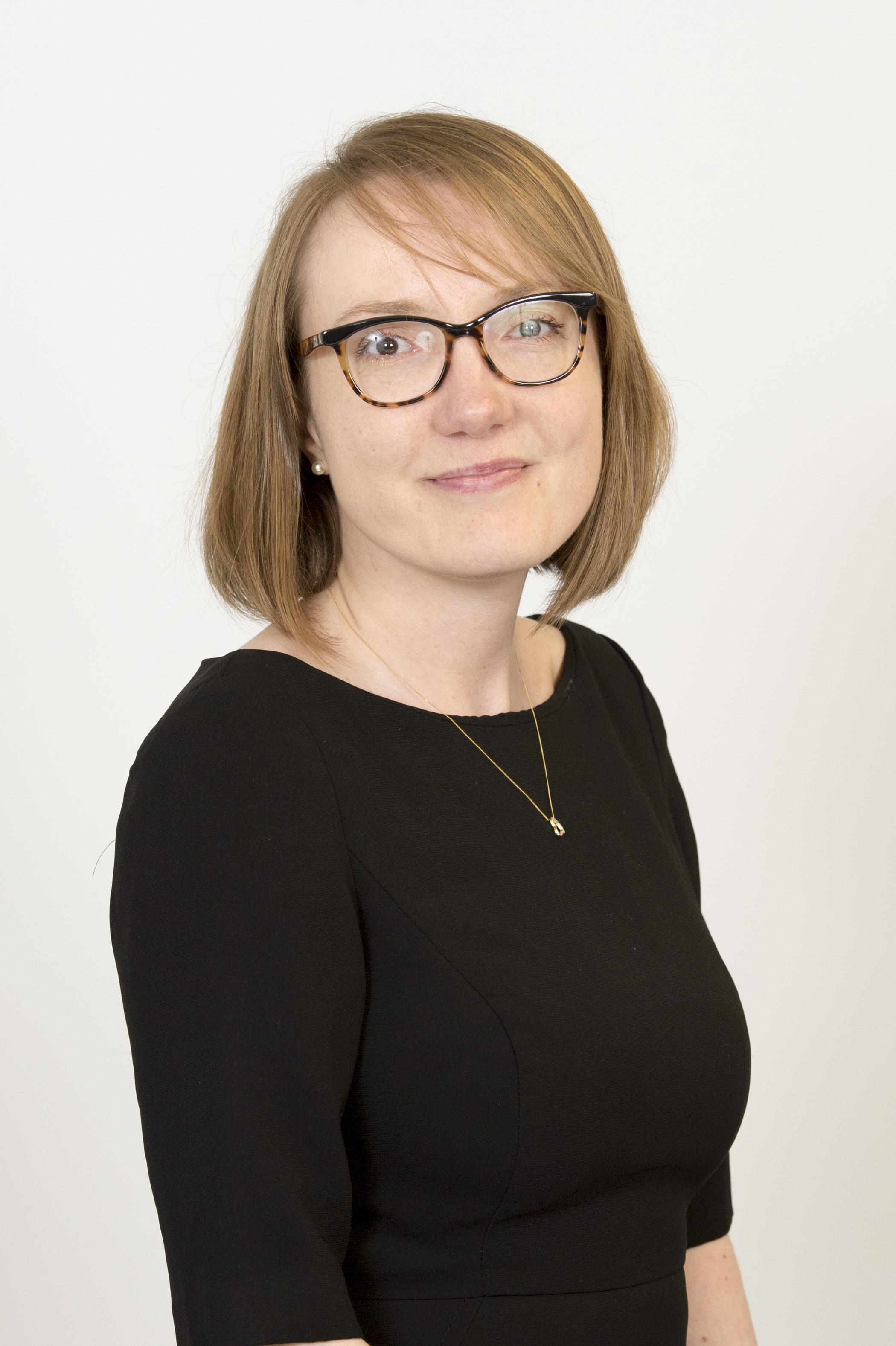
Ewelina is an Affiliate Associate Researcher with the Scottish Learning Disabilities Observatory. Ewelina's work with the Observatory focused around health inequalities and the health needs of people with autism. She is now based at the University of Edinburgh School as a Lecturer in Health Futures at the Edinburgh Futures Institute and School of Health in Social Science.
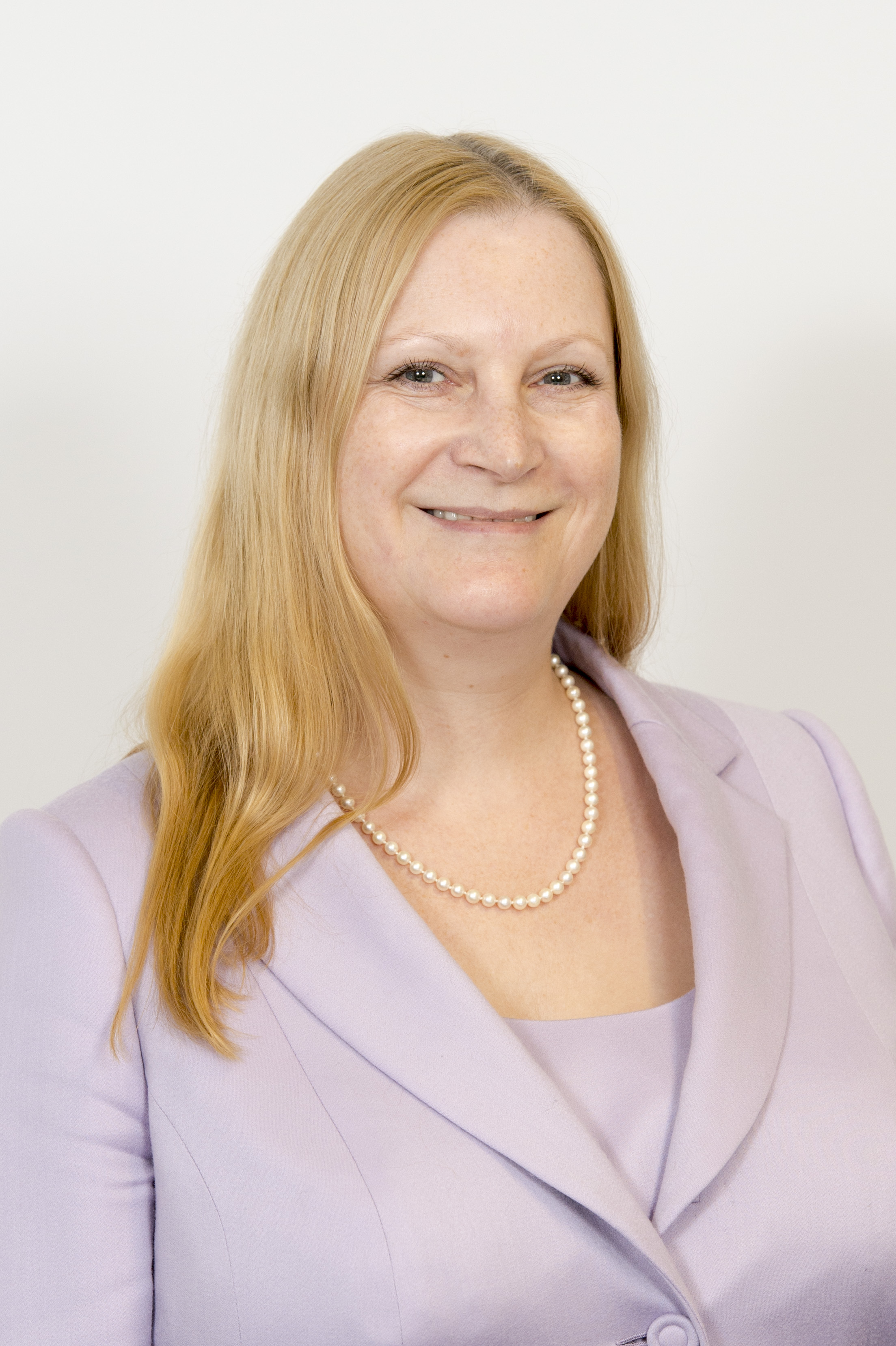
Anna set up the Scottish Learning Disabilities Observatory with funding from the Scottish Government. She wants the Observatory to make Scotland fairer and healthier for people with learning disabilities and their families, by: Finding out the health problems people have Finding out how good or bad health care is Telling people about health and health care problems Finding ways to make health and health care better Checking if health gets better or worse over time Helping the Scottish Government, and staff who provide health and social services, to get it right for people with learning disabilities Anna is a doctor. She has done a lot of studies on the health of people with learning disabilities. Anna’s full name is Professor Sally-Ann Cooper.

Kirsty is a Lecturer in Clinical Psychology at the University of Glasgow, and is an affiliate of the Scottish Learning Disabilities Observatory, having joined the team in 2015. She is interested in the health and wellbeing of individuals with learning disabilities and their families. Previously, Kirsty has worked on projects examining patterns of hospital admissions, prevalence of physical and mental health conditions, and the impact of caring for a son/daughter with learning disabilities on fathers. Her current research projects are exploring: The impact of bullying on young people's mental health Common mental health conditions experienced by children and young people Patterns of long-term health conditions and prescribing in adults
