Home Page

  |  

Our Research


Pain medication and people with learning disabilities

Medication, Prescribing and Healthcare Services | Last Updated: 23 Mar 26

Background

Adults with learning disabilities experience increased multiple long-term health conditions often associated with pain symptoms. This is in addition to increased risk of pain from lifestyle factors, injury and reduced healthcare access.  Pain may be unrecognised due to cognitive and communication barriers and difficulties in health assessment.  Increased long term health conditions also increases the risk of multiple medications and adverse drug effects.

What we did

We reviewed information from studies around the world about medicine for pain and painful health conditions in adults with learning disabilities.

What we found

We learned that adults with learning disabilities may not always get:

  • the same pain medicines as other people. 
  • any pain medicine when they need it.
  • medicine they need for health conditions. 

Carers and doctors can find it hard to tell if a person is in pain.   

What these findings mean

These findings mean that adults with learning disabilities may not receive the same pain care as everyone else, and this is a health inequality. Everyone should have medicine for pain when they need it. 

You can read the full research paper via BMC Medicine at the link below. 


Group member(s) involved with this study

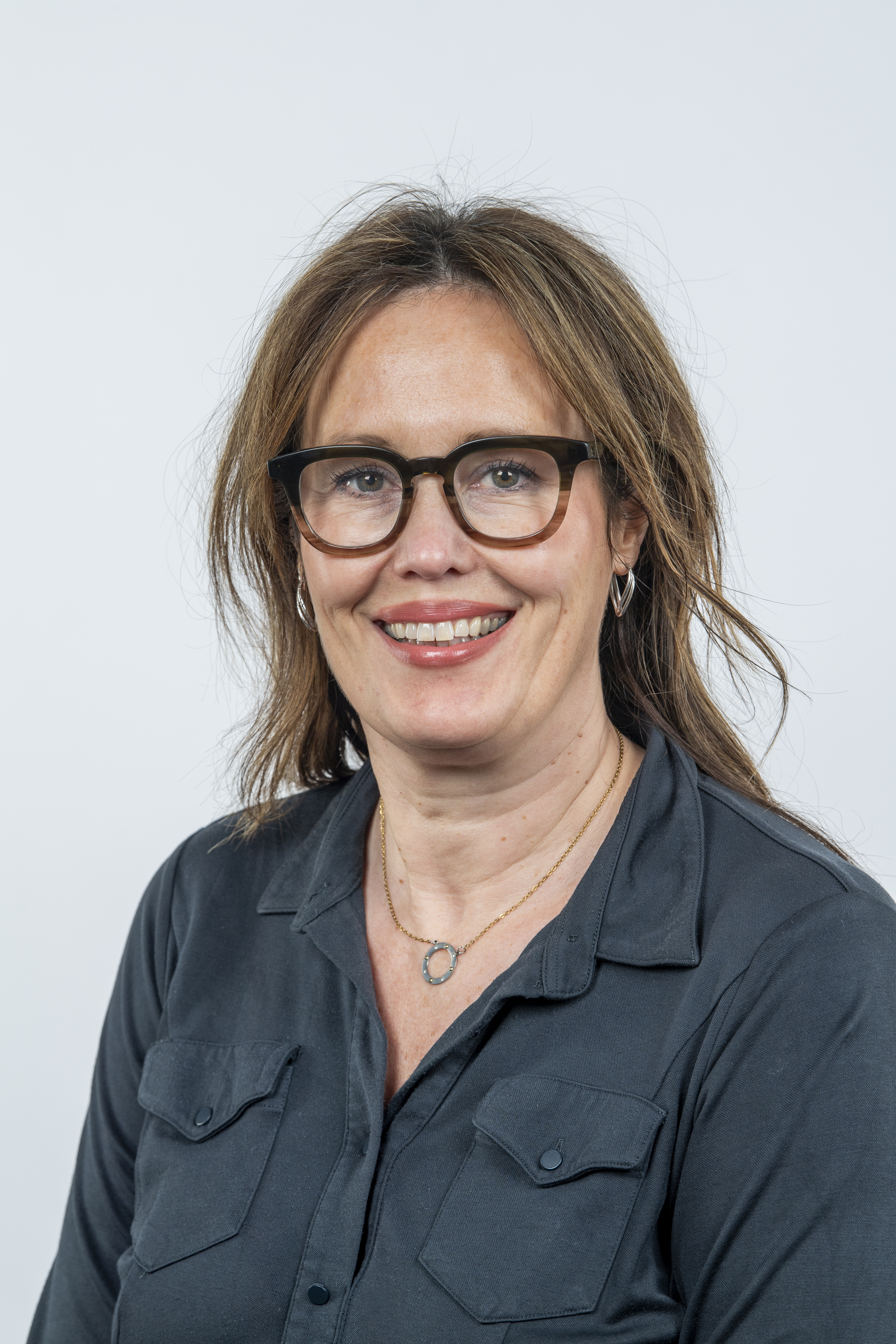
25 035 Scottish Learning Disability Staff Portraits Christine Pacitti 018 staff image

Christine Pacitti

Christine is a doctoral student with research interests in health inequality, inclusive research, and optimising health care and prescribing for adults with learning disabilities. Her PhD research is examining the treatment of pain and painful conditions experienced by adults with learning disabilities focusing on any health inequality that may emerge from this project. Christine is a clinical pharmacist, with expertise in mental health, and has practiced professionally within community, hospital and mental health settings. Prior to commencing her doctoral studies, Christine worked within NHS learning disability psychiatry multi-disciplinary teams providing support with medication for people with learning disability and complex health needs. Christine is an experienced carer of a family member with learning disability and complex health needs.

Debbie staff image

Professor Deborah Cairns

Deborah is the Director of the Scottish Learning Disabilities Observatory and Professor of Health and Neurodevelopmental Conditions, in the School of Health and Wellbeing, at the University of Glasgow. Deborah is passionate about her research which aims to improve the health of people with learning disabilities and their families. She has worked on many different projects about people with learning disabilities including: cancer incidence, cancer screening, multi-morbidity (having two or more health conditions), oral health and COVID-19, to name a few. She has also worked on projects about the physical and mental health of family members who support someone with a learning disability. Deborah is committed to conducting research that has impact and works closely with self-advocates with learning disabilities, family carers and third sector organisations who are pivotal in all of her work and who have a shared vision of ensuring the human rights of all people with learning disabilities are recognised, supported and upheld. Read more about Deborah here.