Background
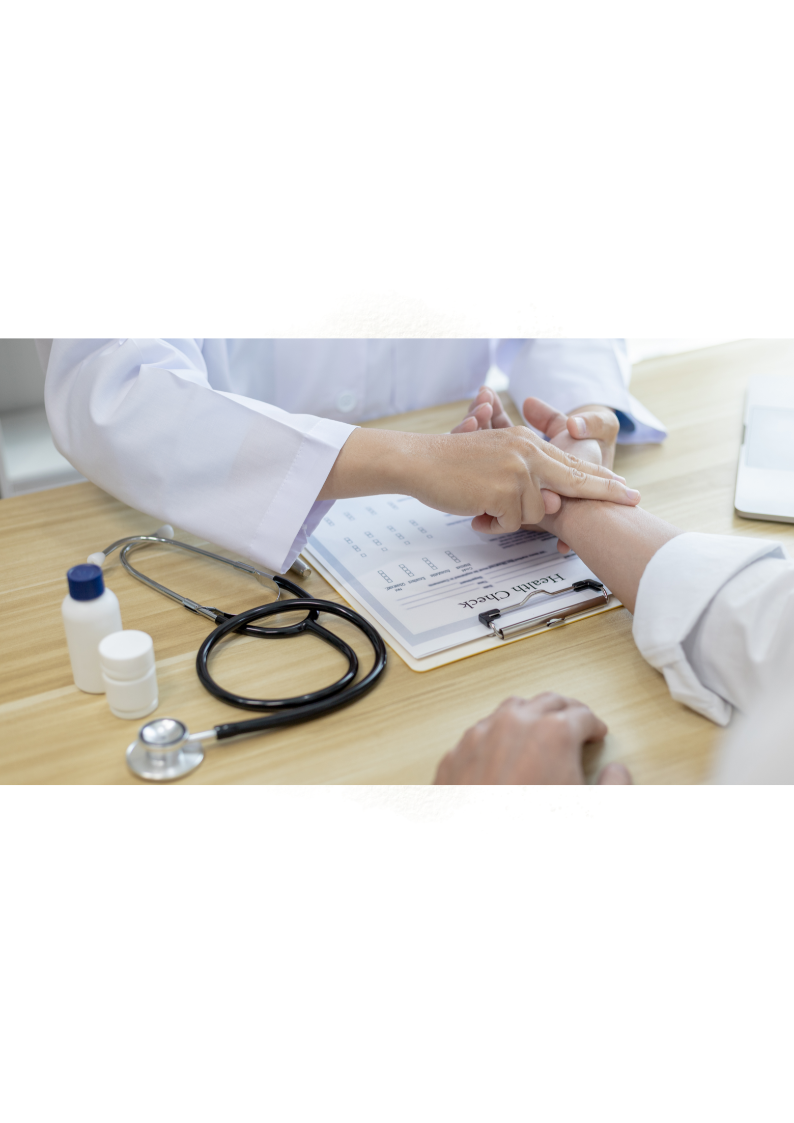
General health status in adult populations with autism has been little studied. We aimed to investigate general health status and predictors of poor health in adults with autism compared with other adults.
General health status in adult populations with autism has been little studied. We aimed to investigate general health status and predictors of poor health in adults with autism compared with other adults.
Whole country data were drawn from Scotland’s Census, 2011. We calculated and compared the frequencies of health status in adults with and without autism. We then used logistic regressions to calculate odds ratios (OR) with 95% confidence intervals (95% CI) of autism predicting poor general health in the whole population, adjusted for age and gender, and OR (95% CI) of age and gender predicting poor general health within the autism population.
Autism was reported for 6,649/3,746,584 (0.2%) adults aged 25+ years, of whom 46.8% (N = 3,111) had poor general health, compared with 23.7% (N = 887,878) of other adults. Poor health was common across the entire life-course for adults with autism. Autism had OR = 5.1 (4.9–5.4, 95% CI) for predicting poor general health, or OR = 7.5 (6.9–8.2, 95% CI) when the interaction with age was included, meaning that the influence of autism on poor health was even greater than that of older age in the whole population. Poorer health was more common at older age, and for women with autism.
Poor general health merits attention across the full life-course for adults with autism. Health practitioners need to be alert to the burden of potential health problems to seek them out to be addressed, and so the health agenda can turn towards potential mechanisms for prevention.
Project information last updated 7th September 2020
Project lead: Ewelina Rydzewska
Team: Ewelina Rydzewska, Laura Anne Hughes-McCormack, Christopher Gillberg, Angela Henderson, Cecilia MacIntyre, Julie Rintoul, Sally-Ann Cooper
Ewelina is an Affiliate Associate Researcher with the Scottish Learning Disabilities Observatory. Ewelina's work with the Observatory focused around health inequalities and the health needs of people with autism. She is now based at the University of Edinburgh School as a Lecturer in Health Futures at the Edinburgh Futures Institute and School of Health in Social Science.
Laura is a Lecturer in Clinical Psychology at the University of Glasgow, and an affiliate of the Scottish Learning Disabilities Observatory, having joined the team in 2015. With the Observatory, Laura was involved in projects looking at the health of people with learning disabilities in a number of large data-sets, including primary health care records, Scotland's 2011 Census and health records of people born with Down Syndrome in Scotland over a 25 year period. Laura studied Psychology and has extensive experience of working with people with learning disabilities in her previous roles, for example, as a Befriender, a Learning Assistant and an Assistant Psychologist. Read more about Laura at the link below
Anna set up the Scottish Learning Disabilities Observatory with funding from the Scottish Government. She wants the Observatory to make Scotland fairer and healthier for people with learning disabilities and their families, by: Finding out the health problems people have Finding out how good or bad health care is Telling people about health and health care problems Finding ways to make health and health care better Checking if health gets better or worse over time Helping the Scottish Government, and staff who provide health and social services, to get it right for people with learning disabilities Anna is a doctor. She has done a lot of studies on the health of people with learning disabilities. Anna’s full name is Professor Sally-Ann Cooper.
Angela was formerly the Director for Policy and Impact for the Scottish Learning Disabilities Observatory and remains an affiliate team member, having moved in 2024 to work with the Scottish Government leading the development of annual health checks and learning disabilities data. Angela is interested in how evidence is used in policy making and was involved in many projects at the Observatory. These included: Understanding the impact of Covid-19 on people with learning disabilities The Research Voices Project Helping to set up the SPIRE learning disabilities data project Analysing information about drug prescribing for people with learning disabilities