Home Page

  |  

Our Research


Covid-19 in Autistic People

Autism | Last Updated: 26 Jan 26

Background

Increasing evidence suggests that autistic people may be at more risk of COVID-19 infection, severity and mortality than the general population. Whilst a few studies have investigated COVID-19 in autistic people, large-scale research is needed for more informative outcomes on risk and risk factors. Our aim was to investigate COVID-19 outcomes and risk factors in autistic people using a whole country population.

What we did

Using data from the British Heart Foundation COVID consortium, spanning the whole population of England, we investigated the prevalence of COVID-19 outcomes of infection, severity and mortality in autistic people and the role of risk factors, such as long-term health conditions, multimorbidity, and use of multiple medicines on COVID-19 outcomes.

What we found


• Autistic adults had increased risk of severe COVID-19, evidenced by higher hospitalisation and mortality rates despite similar vaccination rates. This suggests other factors contribute to this vulnerability.

• Autistic adults had significantly higher rates of morbidity in general, as well as higher rates of complex multimorbidity and polypharmacy than the general population. Risk was particularly high when complex multimorbidity was high, but polypharmacy was low, and vice versa. This suggests that well-managed medication regimens may offer protective effects.

• In particular, mental health conditions were more prevalent in autistic adults. Investigation into different types of medication had differing effects on severe COVID-19, further emphasising the importance of properly prescribed and well-maintained medication regimens.

What these findings mean 


• Despite the younger age and similar vaccination rates of autistic adults, increased risk in hospitalisation and mortality remained. Experiences of health inequalities and systemic barriers in access to care are well documented in autistic people. It is possible that these experiences contribute to the increased risk found in this study.

• The findings of differing morbidity patterns and varying effects of medication type (e.g., antidepressant, antipsychotic, anticholinergic medication) highlight the importance of managing multimorbidity and prescription regimens, particularly in the autistic population. Pandemic response planning policies could be improved by taking into account that autistic adults may require differing prioritisation of vaccination, treatment and healthcare access in the event of future infectious disease outbreaks.

The full published results of this study can be found at the link below. 

Project information last updated 26th May 2025

Group member(s) involved in this research

25 035 Scottish Learning Disability Staff Portraits Dewy Nijhof 026 staff image

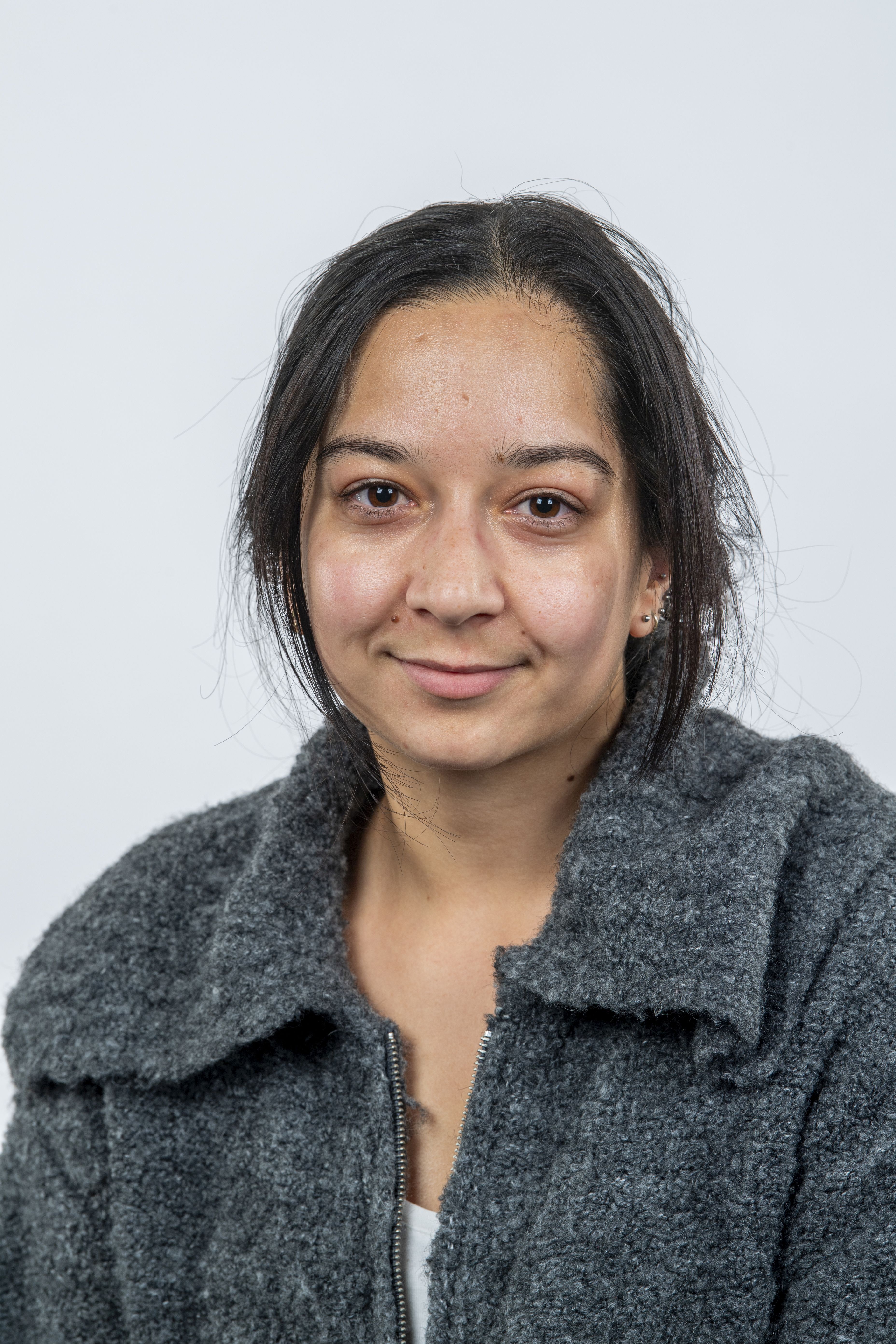
Dewy Nijhof

Dewy is a Research Assistant with the Scottish Learning Disabilities Observatory. She has previously completed internships within the EU-AIMS consortium, a Europe-wide collaboration which aims to gain a better understanding of autism - neurologically, genetically, and behaviourally - and experiences of people with Autism and their families in order to decrease difficulties that are associated with Autism. After finishing her degrees in Psychology and Brain Sciences, she worked in the field of Public Health, where she focused particularly on health inequalities in vulnerable groups within the community. In her current position with the Observatory, she is able to combine her experience in Public Health and Autism research. She will be focusing on large datasets, such as census and health record data, in order to gain a better understanding of health inequalities experienced by people with Autism in Scotland.

25 035 Scottish Learning Disability Staff Portraits Filip Sosenko 022 staff image

Dr Filip Sosenko

Filip joined the Scottish Learning Disabilities Observatory in 2021 as a Research Associate and is currently conducting research into covid-19 outcomes among people with learning disabilities. His previous research focused on severe poverty and associated phenomena, such as the use of food banks, homelessness, and ‘complex needs’. A sociologist by background, Filip has a keen interest in health inequalities. He has advanced statistical skills and expertise in research methodology.

Craig staff image

Professor Craig Melville

Craig is a Professor of Neurodevelopmental Psychiatry in the School of Health and Wellbeing at the University of Glasgow. His work focuses on using evidence from research to inform the development of interventions and policy to improve the health of people with neurodevelopmental conditions. Craig has worked on clinical trials of complex interventions, such as psychological therapies, weight management and health checks in primary care. Evidence from epidemiological research has been central to the development of these clinical trials and his work with SLDO centres on how to use Scotland’s national datasets to understand and tackle the health inequalities experienced by people with neurodevelopmental conditions.

25 035 Scottish Learning Disability Staff Portraits Elliot Millington 003 staff image

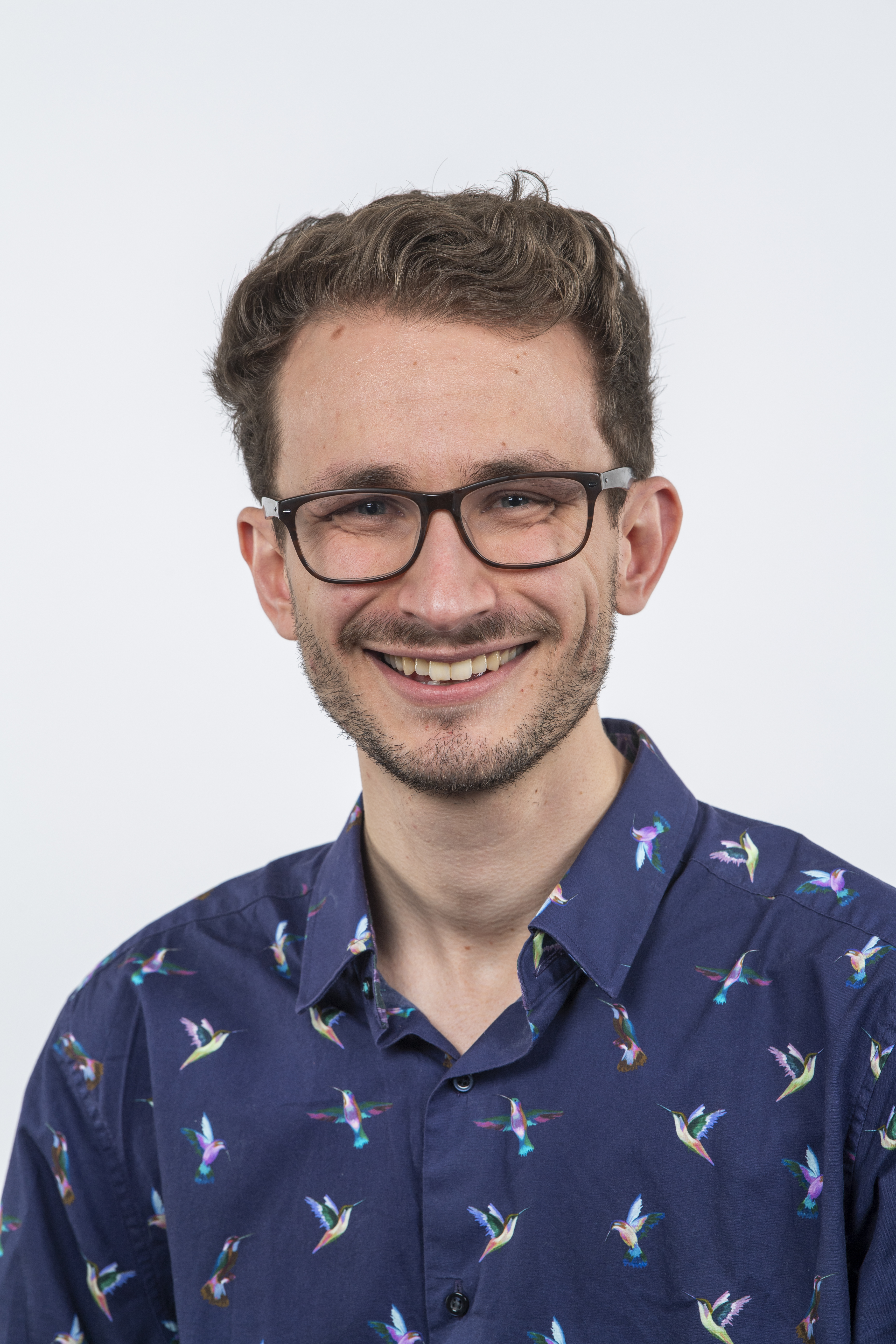
Dr Elliot Millington

Elliot is a Research Associate with the Scottish Learning Disabilities Observatory. He recently completed his PhD with the School of Psychology and Neuroscience, also at the University of Glasgow. His thesis explores the links between sensory processing and anxiety in autistic adults. Elliot has a quantitative focus and will be finding insights in large administrative datasets which can reduce the health inequalities experienced by people with learning disabilities.