Home Page

  |  

Our Research


Coronavirus and people with learning disabilities study: The impact of the COVID-19 pandemic on people with learning disabilities and factors associated with better outcomes (Wave 4)

Covid-19 | Last Updated: 12 Feb 26

Background

The Coronavirus and people with learning disabilities study (Waves 1-3) showed that the Coronavirus pandemic had a considerable impact on people with learning disabilities and their families. In this study we continued to examine the ongoing impact of the pandemic on the lives of people with learning disabilities in the UK, and also began to look at the current living circumstances of people with learning disabilities in the UK in the context of a pathway into recession and challenges for public services.

What we did

What we did

In this survey (Sept – Dec 2022) we spoke to 355 people with learning disabilities who were able to talk about their own experiences, by phone or virtually and 192 family members or paid carers of people with more severe and complex learning disabilities, who could not speak for themselves, completed an online survey about the individuals they cared for.

The results of the survey are available at the University of Warwick website (link below) along with Easy Read summaries of the findings. 

Group member(s) involved with this study

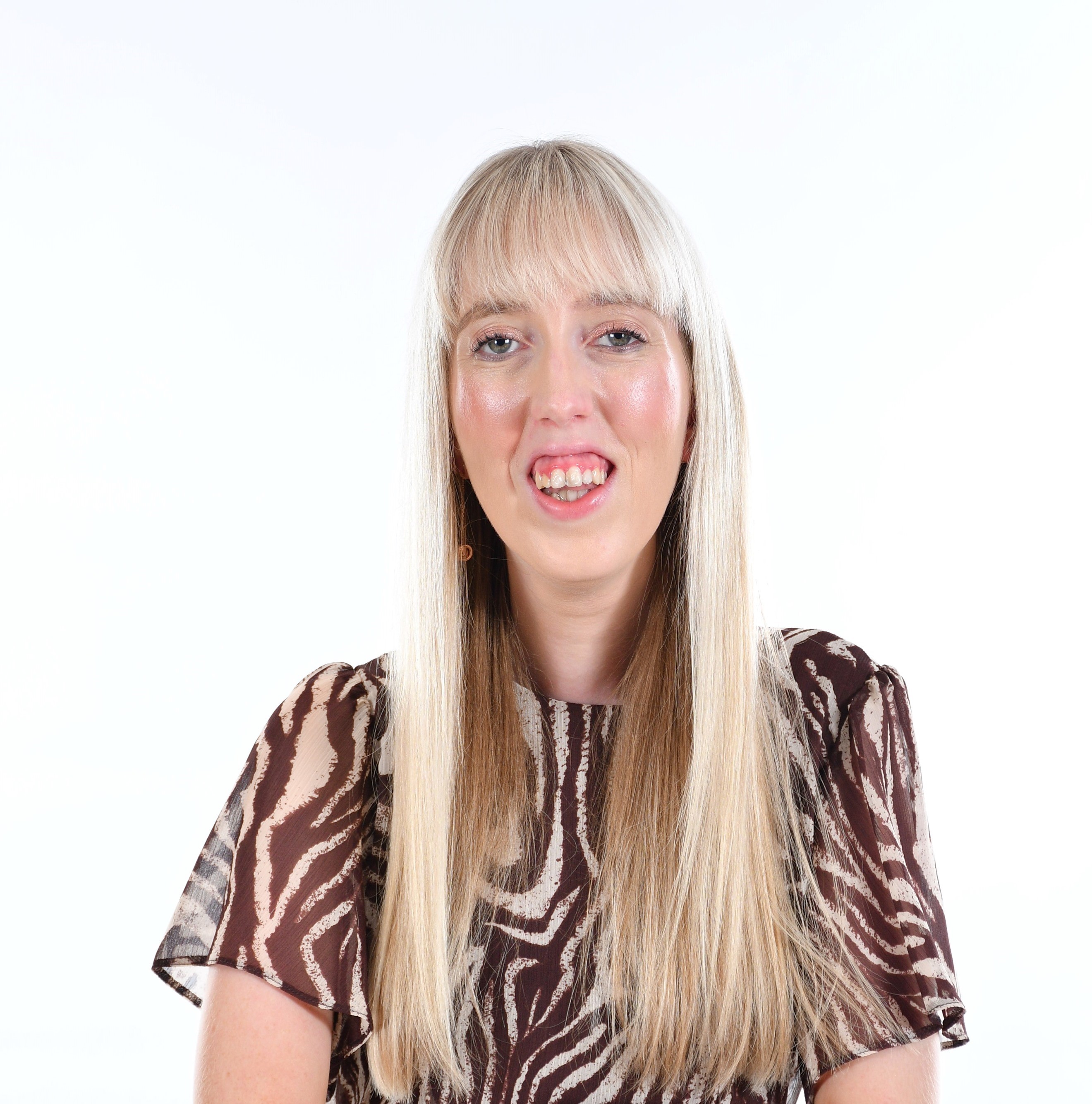
Roseann staff image

Roseann Maguire

Roseann is an Honorary Research Fellow and Affiliate Researcher with the Scottish Learning Disabilities Observatory and has worked at the University of Glasgow since 2015. Her previous work includes research on children’s mental health services, children’s rights in education, violence against women, restorative justice, and the lived experiences of disabled people. Recent projects include: The production of an anti-bullying resource to promote understanding and acceptance of people with learning disabilities. Coronavirus and people with learning disabilities study. Drumming Up Change – a project which brings young people into contact with people with learning disabilities through community activities in Drumchapel.

Photo Amanda staff image

Dr Amanda Gillooly

Amanda is a Research Associate at the University of Glasgow. She is interested in research promoting the mental health and wellbeing of people with intellectual disabilities and their families. Since joining the School of Health and Wellbeing in 2019, Amanda has worked on clinical trials focused on adapting and evaluating psychological therapies for people with intellectual disabilities. Prior to working at the University of Glasgow, she completed a PhD at the University of Strathclyde, examining the social experiences of children and young people with Williams syndrome. Amanda also previously worked as a Research Associate at the University of Edinburgh, working across studies with children with intellectual disabilities and their families.

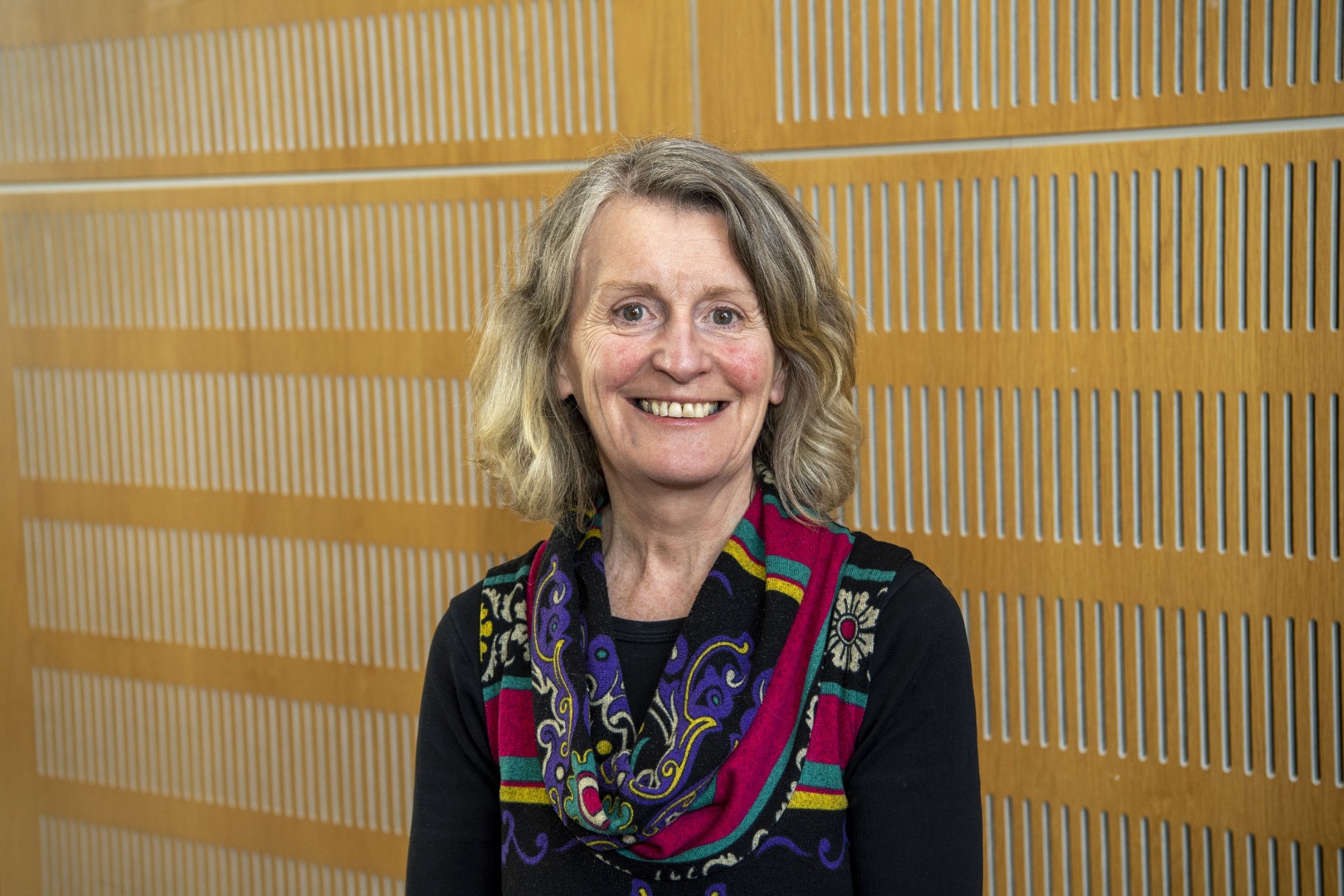
Andrew Jahoda Pic staff image

Professor Andrew Jahoda

Andrew Jahoda is a Professor of Learning Disabilities in the School of Health and Wellbeing at the University of Glasgow. He also has an honorary position as a consultant clinical psychologist with NHS Greater Glasgow and Clyde. Andrew has worked at Glasgow University since 1998. His research interests concern the mental health and wellbeing of people with intellectual disabilities. This includes work about the impact of stigma and ways of promoting inclusion. Another strand of research is about adapting psychological therapies like Cognitive Behavioural Therapy and behavioural activation for people with learning disabilities, to make them more accessible and sensitive to people’s lived experience.