Mental Health and Wellbeing
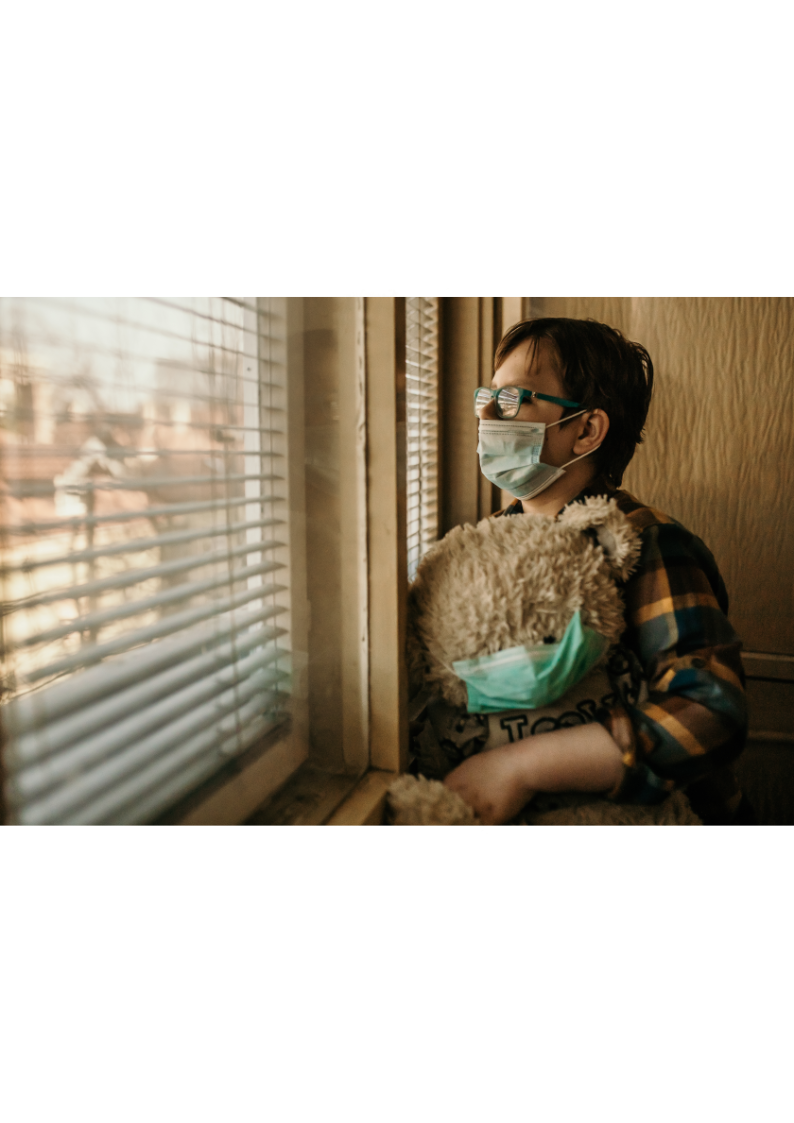
Throughout the pandemic people with learning disabilities were worried about the coronavirus. Those who were interviewed were more concerned about their family or friends catching coronavirus.
People with learning disabilities reported high levels of emotional distress and loneliness. The majority said they felt anxious (69%), sad (68%), angry (72%) or lonely (62%), in December 2020 and most people continued to report feelings of anxiety (66%), sadness (64%), and anger (59%) in August 2021. Moreover, 41% of people reported that they still felt lonely with no one to talk to. The findings were similar for people with more severe learning disabilities. Carers reported that the majority of people with more severe learning disabilities had felt worried (74%), sad (74%) and angry (75%) at the second wave of data collection, with little sign of improvement by August 2021.
Access to Health Services
Initial pandemic restrictions meant that it became more challenging to access health services. In August 2021, most people with learning disabilities (64%) and those with more severe learning disabilities (80%) said they had not had any contact with health professionals in the last four weeks.
Only 16% of people with learning disabilities and 20% of those with more severe learning disabilities had received their annual health check since the start of 2021.
In August 2021, 43% of carers of people with more severe learning disabilities said they had been waiting at least 6 months for a planned medical test, hospital appointment, or operation for the person they support. Almost a fifth of carers (19%) reported that they were still having difficulties accessing essential equipment.
Access to Support Services
Over a quarter (27%) of people with learning disabilities and 58% of people with more severe learning disabilities used day services before the pandemic started. In December 2020, almost all day and respite services and community activities had stopped. By August 2021, half of all the people in the survey had returned to their day service in person. However, almost a third of people with learning disabilities (32%) and almost half of those with more severe learning disabilities (48%) were still not back at their day service, either in person or online. In August 2021, a quarter of people with learning disabilities and over half of carers of people with more severe learning disabilities said they were receiving less support than they had before the pandemic started.
Social Contact and engagement
We do not know how many people with learning disabilities and those with more severe learning disabilities attended community activities before the pandemic started. However, in August 2021, 48% of people with learning disabilities and 38% of people with more severe learning disabilities were attending community activities in person. Another 16% of people with learning disabilities and 6% of those with more severe learning disabilities said they were attending online activities.
However 34% of people with learning disabilities and 56% of those with more severe learning disabilities were not participating in any community activities.
Digital lives
Digital platforms were known to play a major role in people’s lives during the pandemic. In August 2021, the majority of people with learning disabilities (94%) were using the internet and just over half of people with more severe learning disabilities (53%) had access to the internet at home. Many people with learning disabilities were using the internet to speak with their family and friends (60%), for social media (58%), to stream television and films (54%), or to participate in online activities with others (47%). A smaller proportion of those with more severe learning disabilities were reported to be using the internet for these purposes (friends and family: 29%; social media: 7%; film and television: 35%: online activities: 17%).
In August 2021 most people with learning disabilities (61%) were still enjoying taking part in online activities compared to 34% of people with more severe learning disabilities. However, 26% of people with learning disabilities and 44% of those with more severe learning disabilities had never been keen on online activities.
Impact of caring and visitor restrictions
Over the three timepoints, carers frequently reported feeling tired, depressed, general feelings of stress and disturbed sleep. Lack of contact was a source of stress for family members and their loved ones who did not live with them. In August 2021 over 40% of those who did not live with their family still had restricted visiting for family and friends. Four percent of people with more severe learning disabilities had still not seen their family and friends in person by August 2021.
Further information on findings from the three waves of the study can be found at the links below, including Easy Read summaries.